Prep Your Windows and Doors for Hurricane Season: The Structural Guide
When a major tropical depression develops in the open ocean, your timeline for structural preparation shrinks to a matter of hours. Waiting until a tropical storm warning flashes on local news channels to protect your property is an unnecessary and dangerous gamble. If your primary goal is to ensure your family’s safety and prevent devastating structural loss, you must actively learn how to prep your windows and doors for hurricane season long before the first storm warning is issued.
Your home’s outer perimeter acts as a physical shield against violent coastal elements. If extreme wind loads breach a single window pane or force open a weak exterior door, the immediate shift in internal atmospheric pressure can tear a residential structure apart from the inside out.
To secure your home effectively, you must address the core structural vulnerabilities of your property. This comprehensive, expert-vetted guide covers the science of structural wind mitigation, accurate perimeter vulnerability checks, and why certified professional upgrades outperform amateur DIY fixes.
📌 Key Takeaways
The Pressurization Risk: A single broken window can lead to rapid internal pressurization, which generates enough vertical lift to rip your roof completely off its structural trusses.
Fastener Standards matter: Standard interior casing screws fail under high wind loads; all major entryways require three-inch heavy-gauge structural screws driven into solid wall studs.
Plywood is Not a Solution: Unrated construction plywood attached with basic drywall screws offers zero verified impact protection and frequently tears free to become dangerous flying debris.
Impact Glass Advantages: Certified impact-resistant glass provides permanent, continuous protection without the intense physical labor of deploying heavy exterior metal panels.
Table of Contents
-
The Physics of Home Breaches: Why Exterior Openings Matter
-
Step 1: Check Frames and Seals to Identify Weak Points
-
Step 2: Fortify Sliding Glass Doors and Main Entryways
-
Step 3: Evaluate Structural Protection Options
-
The Hidden Dangers of DIY Structural Storm Retrofitting
-
Why Professional Inspection Outperforms Amateur Prep
-
The Definitive Hurricane Preparation Timeline Checklist
-
Frequently Asked Questions About Hurricane Prep
The Physics of Home Breaches: Why Exterior Openings Matter
Quick Answer: When high winds shatter an unrated window, the sudden rush of air creates rapid internal pressurization. This upward pressure combines with the external roof vacuum to lift roof trusses cleanly away from the wall studs.
Many property owners mistakenly assume that severe coastal flooding is the only major threat to structural assets during severe tropical weather. While storm surges cause extensive ground-level destruction, wind-driven building breaches happen with terrifying speed and are often completely catastrophic.
When a severe storm tracks across land, wind-borne debris like roof tiles, uprooted landscaping, and loose patio furniture transform into high-velocity projectiles. If one of these objects fractures a standard double-pane window, high-velocity wind instantly floods the interior of the building. This causes an aerodynamic emergency known as internal pressurization.
       WIND FLOW OVER ROOF (Creates Lifting Vacuum)
                  ▲  ▲  ▲  ▲  ▲
               ┌────────────────┐
               │   ▲    ▲    ▲  │
  WIND FLOW ──►│   │    │    │  │◄── Rapid Internal Pressurization
 (Broken Window)│   └───┬┴───┘  │
               └────────┴───────┘
As the wind accumulates inside, it pushes upward against the ceiling structure with immense force. Simultaneously, the fast-moving wind traveling over the exterior roof line creates a lifting vacuum. These opposing forces work together to lift roof trusses cleanly away from the supporting wall studs, resulting in an immediate and total structural collapse.
When you prioritize the work required to prep your windows and doors for hurricane season, you are not just trying to save a pane of glass. You are actively securing the physical structural loop that keeps your roof anchored firmly to the ground.
Step 1: Check Frames and Seals to Identify Weak Points
Quick Answer: Inspect every window frame for hidden wood rot or cracked corner welds, and replace brittle weatherstripping to prevent pressurized, wind-driven rain from flooding your interior walls.
Before purchasing any specialized protective shutters or barriers, a detailed physical examination of your current window setups is required. Every frame, bead seal, and tracking component must be fully airtight and structurally sound to survive structural wind mitigation demands.
Check for Wood Rot and Structural Degradation
Wooden perimeter frames are incredibly susceptible to hidden moisture damage over time. Termite tracking, localized wood rot, and chronic water pooling soften structural wood components. This softening makes it easy for cyclical wind pressures to pull the entire window framing unit directly out of the rough wall opening under high wind loads.
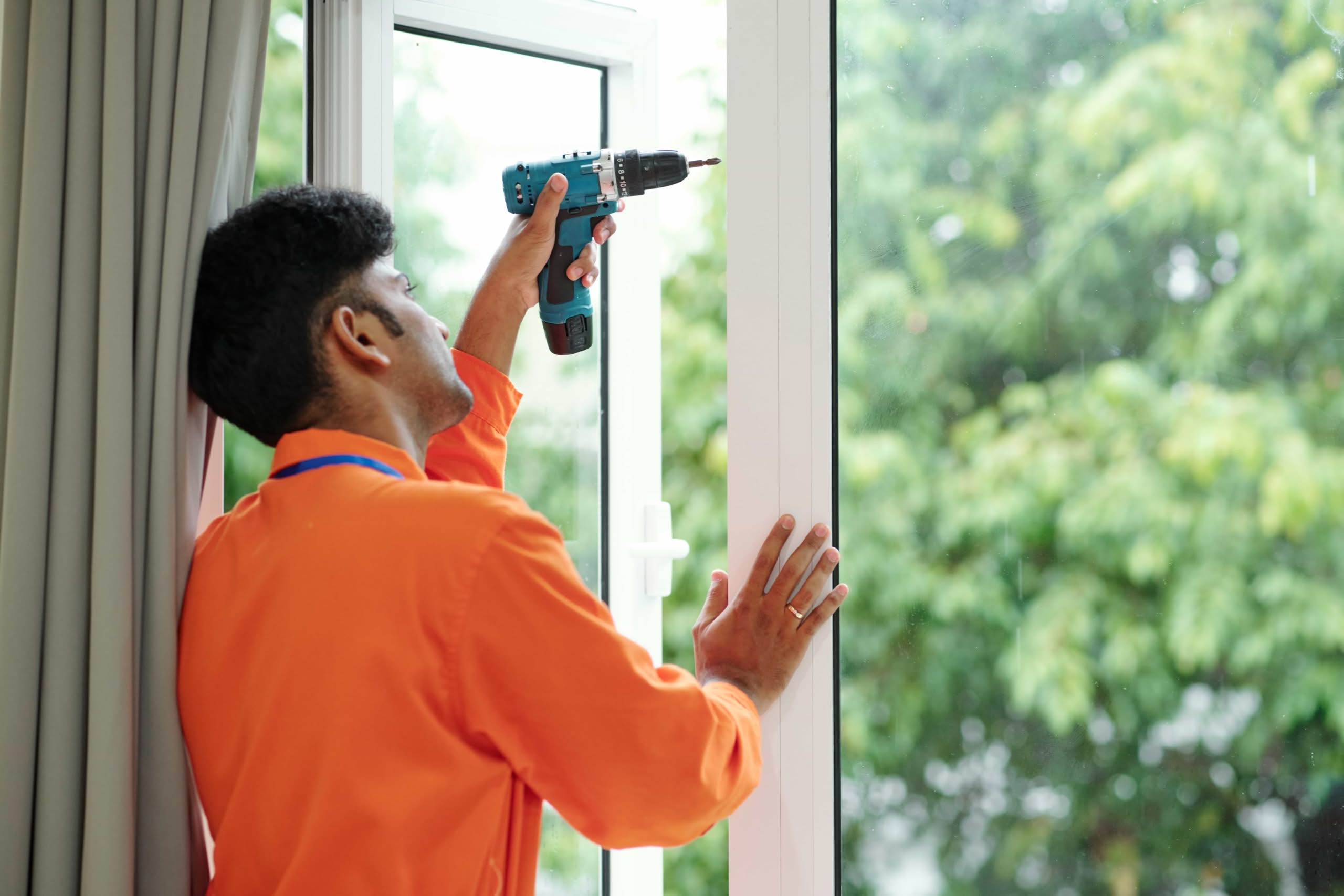
For modern aluminum or vinyl frames, look closely for cracked corner welds or loose anchoring screws along the inner track. If the anchoring framework is compromised, the best protective shutter in the world cannot save the opening from failing.
Evaluate Perimeter Caulking and Weatherstripping
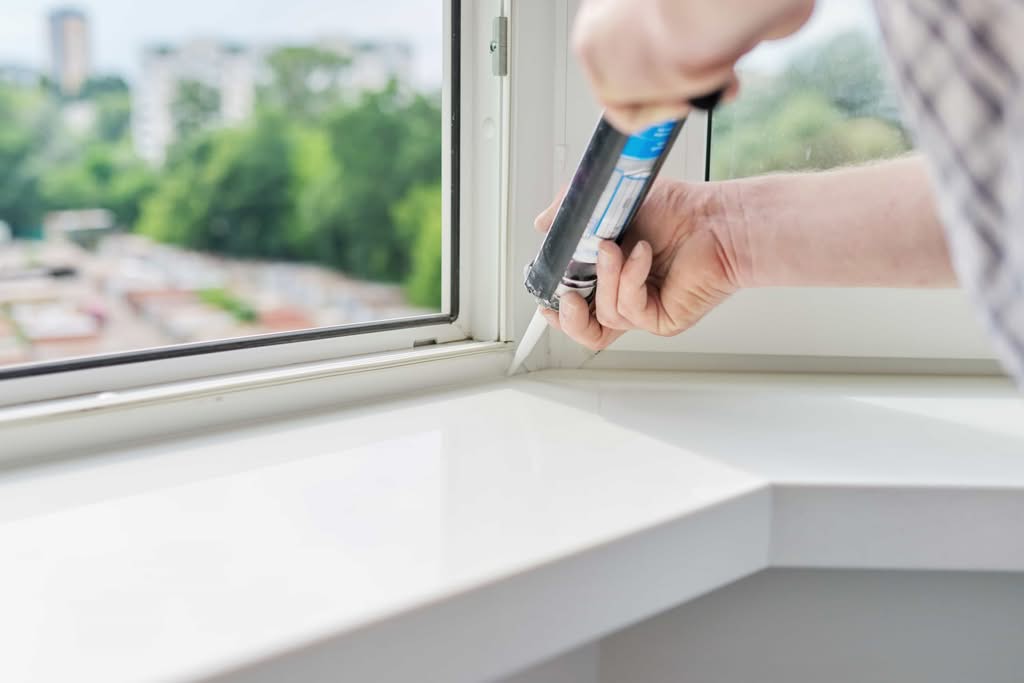
Old, brittle, or degraded weatherstripping allows pressurized, wind-driven rain to bypass your window sash. On a calm day, run your fingers along the interior frames to feel for air leaks, or check for visible gaps allowing exterior light to filter through.
If you spot light leaks or deteriorating perimeter caulking, your home lacks a reliable barrier against catastrophic interior water damage. Applying a fresh bead of high-grade exterior silicone is a foundational step when you work to prep your windows and doors for hurricane season.
Step 2: Fortify Sliding Glass Doors and Main Entryways
Quick Answer: Upgrade entryway hinges with three-inch structural screws that anchor deep into wall studs, install multi-point locking systems on French doors, and keep sliding glass door tracks clear of debris.
Your exterior entryways and large sliding glass patio doors represent the single largest structural openings on your property. If these large portals are not heavily reinforced, cycling pressure loads can tear standard latches apart or lift sliding frames completely out of their tracks.
Upgrade Hinge Fasteners and Deadbolt Assemblies
Standard residential exterior doors are frequently hung using short, one-inch wood screws that only penetrate the decorative finish trim. During a severe storm event, these short screws pull out effortlessly under sustained wind pressure.
Ensure every exterior door is fitted with a heavy-duty deadbolt featuring a minimum one-inch throw length. All supporting hinge plates should be anchored using three-inch, heavy-gauge structural screws that pass completely through the door trim and sink deep into the solid wall framing studs.
Implement Multi-Point Locking Units
For double entry doors or French doors, standard top and bottom surface slide bolts are completely inadequate under severe wind loads. French door configurations require specialized multi-point locking systems that mechanically anchor the door into both the top header frame and the lower floor threshold simultaneously. This prevents the doors from bowing inward when hit by intense windward pressures.
Maintain Clear Tracking for Sliding Patio Openings
Sliding glass patio units experience intense lateral forces due to their expansive surface areas. Ensure all bottom tracks remain entirely free of dirt, grit, and organic debris so the locking pins can seat completely. These tracking units must also have functional, clean weep holes to rapidly drain away water sheets during heavy rainfall, preventing floor flooding.
Step 3: Evaluate Structural Protection Options
Quick Answer: Homeowners must choose between permanent accordion/roll-down shutters, removable storm panels, or upgrading directly to impact-resistant glass for automated, year-round storm protection.
When engineering a reliable structural shield for your home, you will generally choose between deploying removable exterior shutters or retrofitting your openings with permanent, code-certified impact-resistant glass. Both methods are highly effective ways to prep your windows and doors for hurricane season, but they offer very different operational lifestyles.
Analyzing Shutter Classifications
Storm shutters are manufactured in several structural formats, including accordion styles, motorized roll-downs, and traditional removable panels:
-
Accordion and Roll-Down Systems: These are permanently anchored directly to your home’s structural masonry or wood framing. They can be quickly closed, locked, and fully deployed within minutes of an approaching weather event.
-
Removable Storm Panels: Typically formed from corrugated aluminum or clear polycarbonate sheets, these panels require manual installation into pre-fixed tracks before every major storm event. While highly cost-effective, they require physical strength, ample storage space, and significant setup time.
The Long-Term Performance of Impact-Resistant Glass
If you prefer to avoid the intense physical labor of lifting and bolting heavy metal panels in high winds, retrofitting with impact-resistant glass is the premium long-term option.
True impact-rated windows feature two individual layers of tempered glass sandwiching a thick, flexible polyvinyl butyral (PVB) or ethylene-vinyl acetate (EVA) inner layer. If a flying projectile cracks the outer glass pane, the tough internal polymer sheet remains fully intact, keeping wind-driven rain out and maintaining safe internal air pressures.
💡 Expert Insight: Impact-resistant windows offer major secondary benefits beyond storm defense. The continuous multi-layer polymer interlayer acts as an exceptional acoustic barrier that filters out urban noise pollution and cuts down interior UV fabric fading by up to 99%.
The Hidden Dangers of DIY Structural Storm Retrofitting
Quick Answer: DIY storm prep using unrated plywood and standard drywall screws fails because plywood lacks structural impact certification and drywall screws lack the shear strength to withstand high-velocity wind loads.
With the rise of online video tutorials, it can be tempting to treat storm preparation as a basic weekend DIY project. However, attempting to prep your windows and doors for hurricane season using unrated materials or amateur techniques is an incredibly dangerous and expensive risk.
⚠️ Common Mistake: Relying on ordinary construction plywood. Buying thin, unrated plywood from a local retail supplier and attaching it with standard drywall screws will not protect a home. High winds can easily get behind poorly fitted wood panels, ripping the anchors right out of the wall and turning the plywood into a flying weapon.
The Problem with Improper Fasteners and Anchors
When mounting heavy shutters or panels, the type of anchors you choose determines whether the system holds or fails under load. Standard concrete masonry anchors driven into aging stucco or brick often strip out under high tension. Professionals use calibrated torque tools and specific corrosion-resistant masonry anchors designed to withstand thousands of pounds of pull-out force without backing out.
Risking Product Warranty Forfeiture
Most high-end impact window systems and permanent shutter arrays feature long-lasting structural warranties. However, these manufacturer coverages explicitly require installation by a licensed and certified installation specialist. Attempting a DIY installation can void these structural warranties instantly, leaving you entirely responsible for any future product failures, tracking issues, or water leaks.
Why Professional Inspection Outperforms Amateur Prep
Quick Answer: Certified contractors use professional diagnostic tools to spot hidden frame rot, calculate true wind-load capacities, preserve manufacturer warranties, and ensure perfect compliance with local building codes.
Ensuring your residential property complies with local building codes and wind-borne debris regulations requires professional expertise. Certified structural remediation teams use specialized diagnostic tools and precise engineering calculations to handle these tasks properly.
Expert technicians can accurately determine if your older window frames can handle the weight of heavy impact glass upgrades. They can also pinpoint hidden structural rot that an amateur eye would completely miss.
📊 Data Point: According to building performance field studies compiled by the Federal Emergency Management Agency (FEMA), homes equipped with engineered, professionally installed opening protections experience up to 85% less structural wind damage compared to homes relying on unengineered DIY barriers.
If you want absolute peace of mind before storm season arrives, connect with a team of trusted local experts. To explore comprehensive building evaluations, preventative frame maintenance, and code-compliant window retrofitting services, visit the certified technicians directly at Always Home Repair Windows & Doors Services.
The Definitive Hurricane Preparation Timeline Checklist
To avoid the chaotic supply shortages, long hardware store lines, and delivery delays that occur when a major storm enters your local tracking grid, use this organized chronological timeline to plan out your structural defense strategy.
| Strategic Timeline | Critical Action Items Required | Responsible Party |
| Pre-Season (March – April) | Complete a full inspection of window locks, perimeter sealants, and track weep holes. Schedule professional maintenance for permanent motorized shutters. | Homeowner / Professional Inspector |
| Early Season (May – June) | Clear all sliding tracks of debris. Run a physical inventory of all storm panel tracks, mounting hardware, and wing nuts. Replace cracked perimeter caulking. | Homeowner |
| Storm Watch (48 Hours Out) | Clear your yard of potential projectiles like potted plants and patio chairs. Test backup generator setups. Clear access paths to all window openings. | Homeowner |
| Storm Warning (36 Hours Out) | Lock all multi-point entryway mechanisms. Have a professional team fully deploy heavy panels or lock your permanent accordion shutters into place. | Certified Team / Homeowner |
Frequently Asked Questions About Hurricane Prep
Can I use masking tape or duct tape across my windows to prevent them from shattering?
No. Taping X-patterns across your window panes is an outdated myth that offers absolutely zero structural protection against high winds. Tape does not stop a window from breaking; instead, it causes the glass to shatter into larger, heavier, and more dangerous shards that can easily cause severe injury.
What is the structural difference between standard tempered glass and impact glass?
Tempered glass is designed to break into small, relatively harmless pebbles when impacted. Impact-resistant glass, however, features a highly durable polymer interlayer bonded between two sheets of glass. Even if the glass cracks, the internal polymer layer holds the shards firmly together, preventing wind and water from breaching the building envelope.
How do I maintain my sliding glass door tracks so they don’t fail during a storm?
Clean your sliding tracks thoroughly with a stiff brush and vacuum out all dirt, sand, and leaves. Ensure that the built-in weep holes are completely clear of blockages so heavy rain can drain outward. Finally, lubricate the rollers with a clean silicone spray rather than oil-based lubricants, which attract clogging dirt.
Are permanent hurricane shutters worth the investment compared to plywood?
Yes. Permanent hurricane shutters (such as accordion or roll-down styles) are fully engineered and code-tested to withstand extreme pressures and heavy impacts. They can be deployed in a matter of minutes, increase your home’s resale value, and can significantly lower your annual homeowner’s insurance premiums.
What should I do if I notice water leaking through my window frame after a major storm?
If you discover structural water intrusion or frame leaks after a weather event, you must dry the area immediately to prevent hazardous mold growth. For severe leaks, you can consult specialized remediation resources like the Always Home Repair Flood & Water Damage Restoration protocols to safely dry out your structural wall assemblies.
Final Thoughts on Storm Readiness
Protecting your home is a long-term investment in your family’s safety and financial security. Trying to save money with unrated DIY materials or waiting until a storm is imminent puts your property at high risk for major structural failure.
Take the necessary preventative steps early. Ensure your window openings and entryway assemblies are evaluated, repaired, and reinforced by certified professionals who specialize in wind mitigation dynamics.
For authoritative safety resources and regional updates on storm preparation protocols, cross-reference your home safety checklist with the emergency safety guidelines provided by FEMA and live tracking updates from the National Oceanic and Atmospheric Administration (NOAA). Stay prepared, act early, and leave complex structural reinforcement to certified specialists.
Beyond windows and doors, our weatherproofing services seal gaps, penetrations and weatherstripping before storm season, and our roof and vent repairs fix leak points up top.