

Designing a small bathroom remodel comes down to three things: a layout that respects the existing plumbing, fixtures sized for the actual footprint, and materials that handle Florida humidity. Get those three right and even a 5×7 bathroom can feel open and function well for years. Skip them, and you end up with a cramped room that looks remodeled but still feels tight. Below are the questions homeowners in Ocala and Dunnellon ask us most often before we pick up a tool.
What does designing a small bathroom remodel actually involve?
It involves planning the layout, fixture selection, and finishes before any demolition starts, not during it. We walk clients through three stages: measuring the real usable space, deciding what stays versus what moves, and matching materials to the humidity and resale realities of a North Central Florida home. A homeowner in an older Marion County home with a 60s-era bathroom often has different constraints than someone in a newer Dunnellon build. Either way, the plan has to account for what’s behind the walls before it accounts for what tile goes on them.
How much space do I really need for a small bathroom layout?
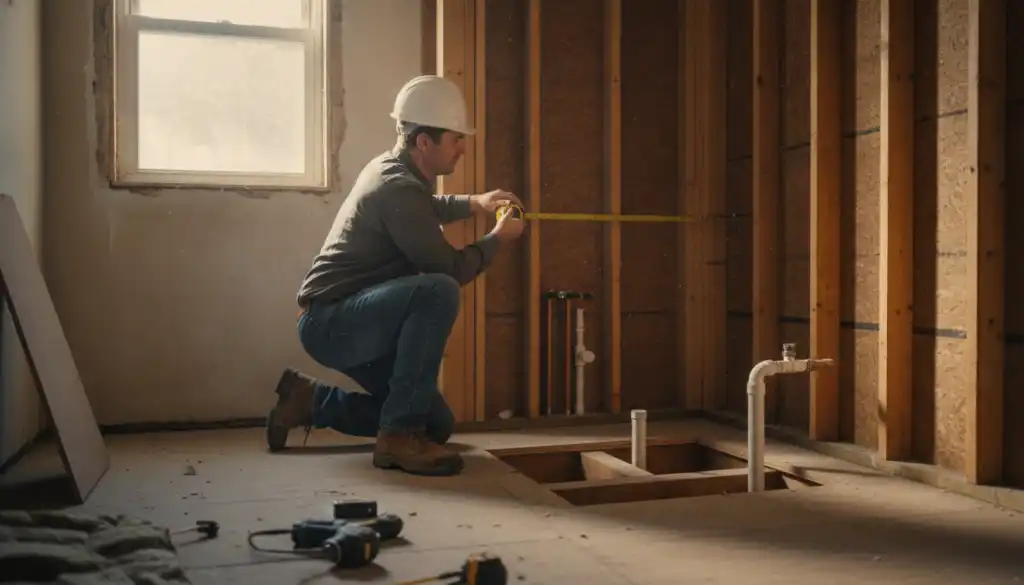
Most codes and design guides call for at least 30 inches of clear floor space in front of a toilet and a minimum 21 inches in front of a vanity, though comfortable use usually needs more. A true small bathroom, often 35 to 45 square feet, can still work if the door swing, vanity depth, and shower footprint are planned together instead of guessed at room by room. We’ve measured plenty of bathrooms where the fixtures technically fit on paper but a door can’t fully open once a vanity is installed. Measuring the swing radius and traffic path before ordering anything saves a return trip and a restocking fee.
What’s the best layout for a small bathroom in an older Florida home?
The best layout keeps the toilet, sink, and shower in a line or an L-shape so plumbing runs stay short and the room doesn’t feel chopped up. Older homes in Marion County often have cast iron drain lines and plumbing stacks that are expensive to relocate, so we usually design around them rather than against them. A straight-wall layout with a corner shower or tub is a common, cost-conscious solution we recommend to clients who want a better bathroom without opening up the whole wall cavity.
💡 Expert Insight: In 35 years in this trade, the small bathrooms that age best are the ones where we kept the drain stack in place and focused the budget on the shower pan, fixtures, and ventilation instead.
Should I keep the existing plumbing locations or move fixtures?
In most small bathroom remodels, keeping existing plumbing locations is the smarter move financially and structurally. Moving a toilet or shower drain means cutting into the slab or subfloor, which adds cost, time, and risk of hidden rot or moisture damage, something we see often in homes built before modern vapor barriers were standard. If the current layout genuinely doesn’t work, relocating one fixture is usually enough; moving everything rarely pays for itself in a small room. Our bathroom remodeling team can tell you honestly whether a move is worth it before any demo begins.
What fixtures make a small bathroom feel bigger?
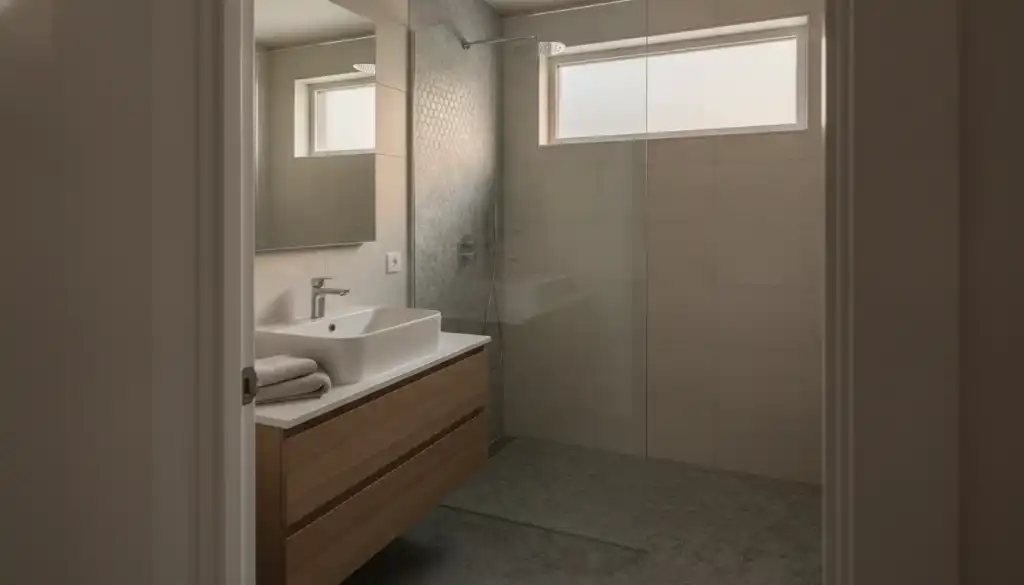
A wall-mounted or pedestal sink, a frameless or low-profile shower enclosure, and a single large-format tile all help a small bathroom read as larger. Oversized vanities with heavy ornamentation tend to visually shrink a compact room, while a slim-profile vanity with exposed floor space underneath does the opposite. Curbless or low-curb walk-in showers also open sightlines compared to a boxed-in tub-shower combo, and they’re easier for aging-in-place homeowners to use safely. According to the U.S. Access Board’s accessibility guidelines, grab bar placement and clear floor space near fixtures also matter for long-term usability, something worth planning for even if it isn’t needed today.
Do I need a permit to remodel a small bathroom in Marion County?
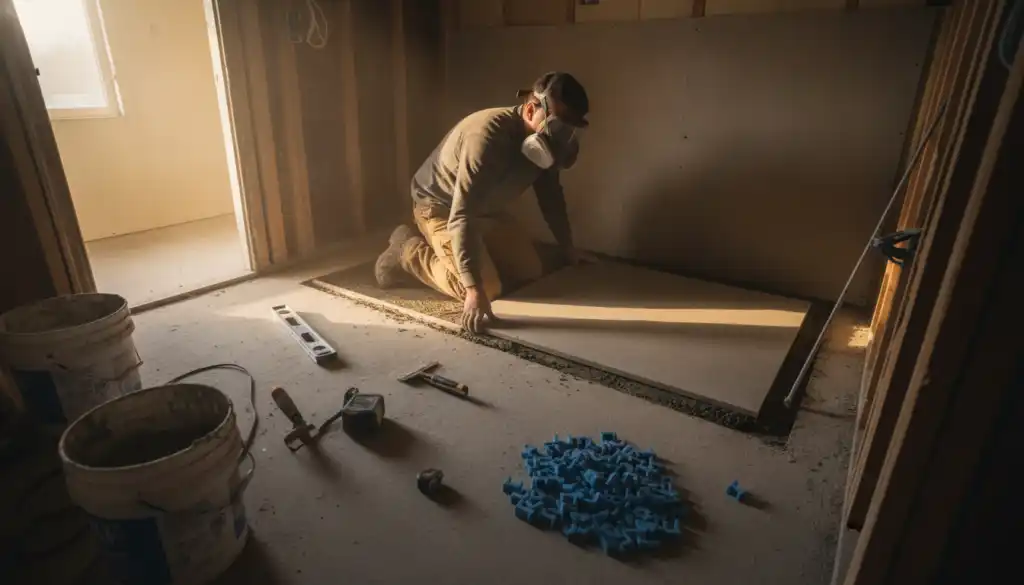
Yes, most small bathroom remodels in Marion County require a permit, especially when plumbing, electrical, or structural work is involved. Cosmetic-only work, like swapping a vanity top or repainting, typically doesn’t trigger a permit, but moving a toilet drain, adding a new shower valve, or rewiring an exhaust fan circuit usually does. Skipping a required permit can complicate a home sale later and may void manufacturer warranties on new fixtures. We handle the paperwork for clients and have written more detail in our guide to Marion County permitting requirements if you want to see the process firsthand.
What flooring and surfaces hold up best in Florida’s humidity?
Porcelain tile, solid-surface shower walls, and moisture-resistant backer board hold up best against Central Florida’s humidity levels. Natural stone and grout-heavy tile patterns look great in photos but need more sealing and maintenance in a climate where indoor humidity regularly sits above 50%. According to the EPA’s guidance on indoor moisture and mold control, poor ventilation combined with porous materials is one of the most common causes of bathroom mold growth, which is exactly why we pair material choices with a properly sized exhaust fan on every project.
How do I add storage without crowding the room?
Recessed medicine cabinets, over-the-toilet shelving, and a vanity with drawers instead of open shelving are the most space-efficient storage upgrades for a small bathroom. Recessing a cabinet into the wall cavity, rather than mounting it on the surface, can reclaim three to four inches of usable floor space in a tight room. We also like built-in shower niches over wire caddies; they keep bottles and soap off the shower floor without adding bulk.
What lighting works best in a small bathroom?
Layered lighting, a ceiling fixture for general light plus vanity sconces or a lit mirror for task light, works best in a small bathroom. A single overhead fixture often leaves shadows under the chin at the mirror, which makes the whole room feel dimmer and smaller than it is. Dimmable LED fixtures also help the room transition from bright morning routines to a softer evening feel without adding square footage.
📊 Data Point: Marion County’s homeowner base skews older, with roughly 29.7% of residents aged 65 and up, which is a big reason we emphasize brighter, shadow-free lighting and slip-resistant flooring in nearly every small bathroom design we’re asked about.
How long does a small bathroom remodel typically take?
A straightforward small bathroom remodel that keeps existing plumbing locations usually takes two to three weeks from demolition to final fixtures. Projects that involve moving plumbing, structural changes, or waiting on permit approval through the Marion County building department can run longer. We build the schedule around inspections up front so clients aren’t surprised by a pause mid-project, because a crew that shows up when they said they would is half the job in our book.
Should I hire a licensed contractor or a handyman for this project?
For anything involving plumbing moves, electrical work, or structural changes, a licensed contractor is the right call, not an independent handyman. Florida law requires a licensed residential contractor for work beyond minor cosmetic repairs, and a licensed team carries the accountability and inspection sign-off that protects you if something goes wrong later. Always Home Repair operates under Florida Residential Contractor License CRC1333200, which means the same team that handles your honey-do list can also take on the full scope of designing a small bathroom remodel without you juggling separate trades.
What mistakes should I avoid when designing a small bathroom remodel?
The biggest mistake is choosing finishes before confirming the layout works with the room’s actual plumbing and door swing. Other common missteps include undersizing the exhaust fan, skipping a permit on work that needs one, and picking a tub when the household would actually use a shower more. We’ve walked into more than one "finished" bathroom where a previous contractor skipped ventilation entirely, and the resulting moisture damage cost more to fix than it would have cost to vent correctly the first time.
Next Steps
- Measure your current bathroom and note the fixed plumbing locations before shopping for fixtures.
- List your must-haves (walk-in shower, storage, grab bars) versus nice-to-haves.
- Confirm whether your planned changes will require a permit through Marion County.
- Schedule a free, no-pressure estimate with a licensed residential contractor to review your layout.
- Get a written scope and timeline before any demolition begins.
We’ve been doing this work in Ocala, Dunnellon, and across Marion County for 35 years, with over 120 years of combined experience on our team, and the goal is always the same: done right the first time, on the schedule we agreed to. If you’re ready to talk through your small bathroom project, contact us or book your free estimate online. Always Home Repair is a licensed Florida residential contractor (CRC1333200). The quality you expect, the service you deserve!