Is a shower remodel really as simple as picking new tile and calling it done? Most homeowners assume it is, right up until a slow leak or a failed inspection turns a weekend project into a months-long repair. The honest answer: a shower remodel orlando homeowners are happy with for the next twenty years depends on what happens behind the tile, not just what you see in the showroom.
We’ve been doing this work in North Central Florida for 35 years, and the same handful of mistakes show up again and again — in new builds, in 1980s ranch homes, and in the retirement communities around Marion and Orange counties. Below are the ones that cost homeowners the most money, time, and peace of mind.
1. Trusting generic online results over local code knowledge
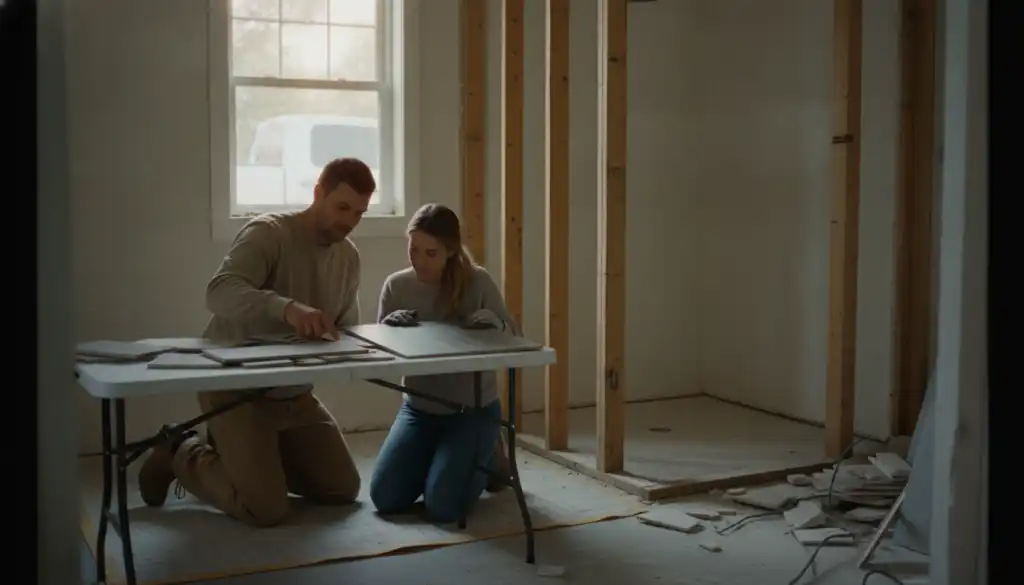
A lot of homeowners search "shower remodel orlando" expecting a one-size-fits-all answer, then apply whatever they find to their own home without checking it against Florida’s building code or their county’s permitting rules. What works in a national blog post doesn’t always match what Marion County or Orange County inspectors require.
This matters because Florida’s building code has specific requirements for shower pans, glass, and electrical clearances near water. According to the Florida Building Commission, code adoption and interpretation can vary slightly by jurisdiction. Instead of guessing, ask your contractor to confirm what’s required for your specific address before demolition starts, not after.
2. Hiring the lowest bid instead of a licensed contractor
It’s tempting to go with whoever quotes the smallest number, especially when a shower remodel feels like "just tile and a drain." The problem is that an unlicensed handyman may not carry insurance, may not pull permits, and may not understand waterproofing — the layer that keeps water out of your walls and subfloor.
As a licensed residential contractor operating under CRC1333200, we’ve been called in more than once to fix a shower remodel that looked fine for six months before the drywall behind it started to rot. You can verify any Florida contractor’s license status directly through the Florida DBPR license search. Doing that five-minute check before you sign anything can save you thousands later.
3. Skipping proper waterproofing behind the tile
Tile is not waterproof. The membrane underneath it is what actually protects your framing and subfloor. Too many remodels skip or skimp on this layer because it’s invisible once the job is finished, and nobody notices until a wall starts to feel soft.
📊 Data Point: Water intrusion is a leading cause of hidden structural damage in older Florida homes, and the EPA’s guidance on moisture control notes that unaddressed moisture behind walls can lead to mold growth within 24 to 48 hours.
The fix is simple to describe and harder to shortcut: a continuous waterproof membrane, properly sloped shower pan, and sealed seams before a single tile goes up. Ask to see this step, not just the finished surface.
4. Ignoring water damage that’s already there
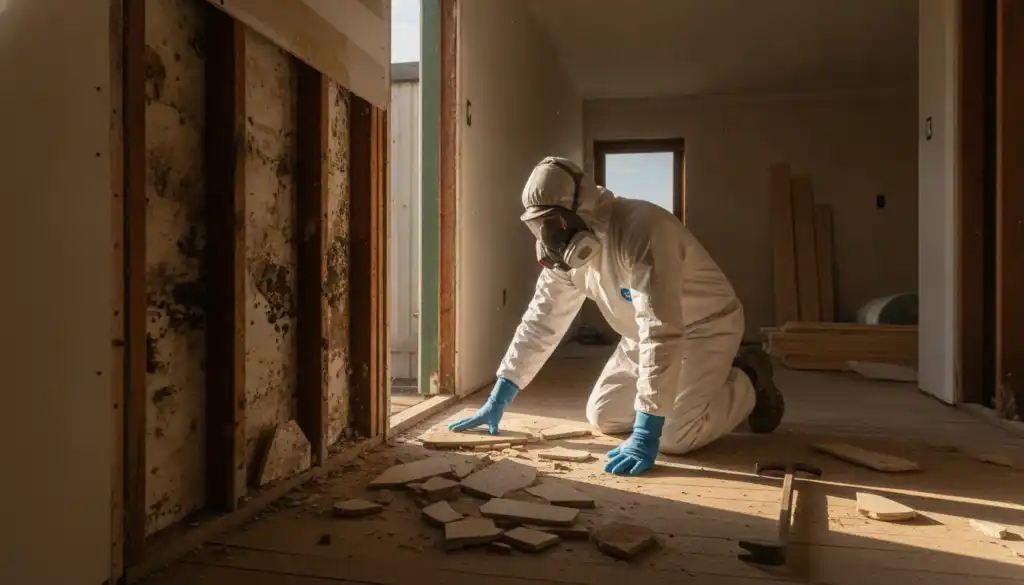
Homeowners often remodel a shower because it looks dated, without realizing there’s already soft subfloor or rotted framing underneath the old one. Covering that damage with new tile doesn’t fix it; it just hides it until the next leak finds the weak spot.
We always recommend opening the wall and checking the framing before any new installation begins. If we find water damage during demolition, the honest move is to address it first, even if it adds a day or two. A shower remodel built over rotted wood isn’t a remodel — it’s a temporary patch.
5. Skipping the permit because "it’s just a bathroom"
A lot of homeowners believe permits are only for additions or new construction. In reality, most shower remodels that involve moving plumbing, changing the drain location, or altering electrical near the shower do require a permit in Florida.
Skipping it can create real problems later: unpermitted work can complicate a home sale, and it may not be covered by insurance if something goes wrong. We walk clients through the Marion County permitting process as a normal part of the job, not an extra step. It’s far less stressful to handle upfront than to untangle during a home inspection years later.
6. Choosing tile style before planning slope and drainage
It’s easy to fall in love with a large-format tile or a trendy pattern before thinking about how water actually needs to move across the shower floor. Some tile choices make it harder to achieve the slight slope required to carry water to the drain, which leads to pooling and premature grout failure.
The better order of operations: confirm the drain location and slope plan first, then choose tile that works with it — not the other way around. A good bathroom remodeling contractor will walk you through this before you fall in love with a specific look.
7. Assuming every shower job is a weekend DIY project
Shower conversions, especially tub-to-shower or walk-in shower upgrades, involve plumbing, waterproofing, and often structural changes to framing. Treating it like a cosmetic update instead of a system upgrade is one of the most expensive myths out there.
We’ve been called in to rebuild DIY shower remodels that failed within a year because the membrane wasn’t continuous or the pan wasn’t sloped correctly. If the job involves moving a drain, changing framing, or touching electrical near water, it belongs with a licensed bathroom remodel team, not a weekend project.
8. Forgetting ventilation until the mirror fogs up
A new shower that traps moisture without proper exhaust ventilation sets the stage for mold growth on grout, paint, and even behind the walls. This mistake is easy to miss because it doesn’t show up on day one — it shows up months later as musty smells or dark spots on the ceiling.
The CDC’s guidance on mold prevention is clear that controlling moisture is the single most effective prevention strategy. A correctly sized exhaust fan, vented to the outside rather than the attic, should be part of every shower remodel plan from the start, not an afterthought once the tile is already up.
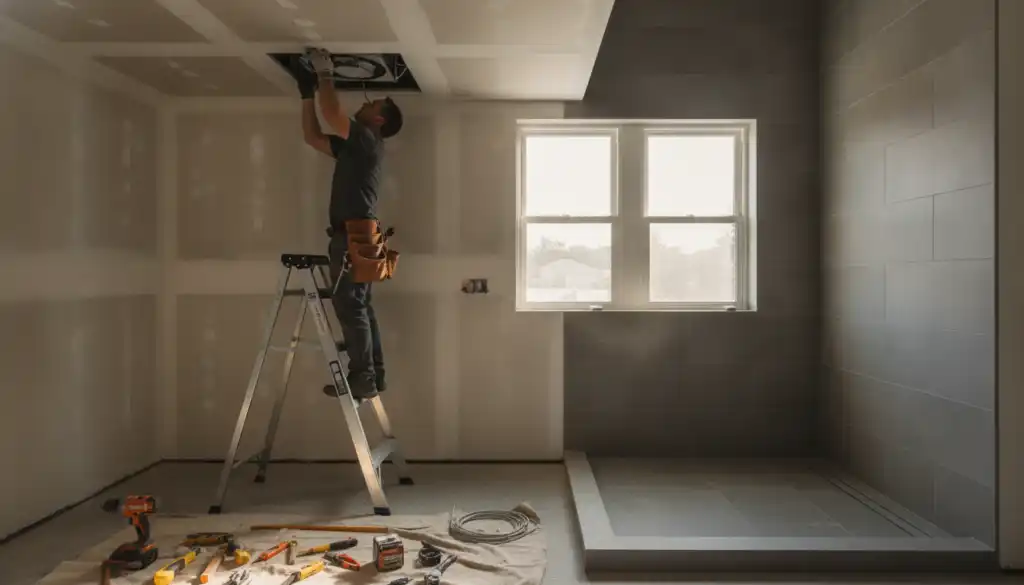
What a shower remodel orlando homeowner should actually check before hiring
If you’re comparing contractors for a shower remodel orlando area homeowners can trust for the long haul, the questions to ask are less about tile brands and more about process: Is the contractor licensed? Will they pull permits? Will they show you the waterproofing before it’s covered? These answers tell you more about the finished product than any showroom sample ever will.
We serve homeowners throughout Marion County and North Central Florida, including a growing number of projects in Dunnellon, where many retirement-community residents are updating aging bathrooms for safer, easier access. The same core mistakes apply whether the home is in Dunnellon, Ocala, or elsewhere in our service area — the fixes just need to happen before, not after, demolition.
Quick checklist before you sign a shower remodel contract
- Confirm the contractor’s license number through the state license search.
- Ask whether permits are included and who’s pulling them.
- Request to see the waterproofing method before tile installation.
- Have the framing and subfloor checked for existing water damage.
- Confirm drain slope and ventilation plans in writing.
- Get a written scope of work, not just a verbal estimate.
The honest bottom line
A shower remodel done right the first time costs less over ten years than a cheap one redone twice. We’ve seen both outcomes more times than we can count, and the difference almost always traces back to the mistakes above — not bad luck. As of 2026, Florida’s permitting and code enforcement around bathroom plumbing has only gotten more consistent, which works in your favor if you hire a licensed team from the start.
Always Home Repair is a licensed residential contractor (CRC1333200), family-owned, with over 120 years of combined team experience across Marion County and North Central Florida. We don’t call a job finished until you’re satisfied with it. If you’re weighing a shower remodel orlando-area search turned up, or you just want a second opinion on a quote you already received, we’re happy to take a look.
Next steps:
- List what’s bothering you about your current shower — leaks, layout, access, or looks.
- Call (352) 308-3317 or request a free estimate online.
- Ask us to check for hidden water damage or wood rot before any demo begins.
- Get a written scope so permitting, waterproofing, and ventilation are all spelled out.
The quality you expect, the service you deserve — call Always Home Repair today for honest, straightforward answers before your next shower remodel.