Exterior home repair is the ongoing work of fixing and protecting everything that shields your house from Florida’s sun, rain, and humidity — siding, decks, fencing, masonry, and roofing trim. Skip it, and small problems like a soft deck board or a hairline stucco crack can turn into rot, water intrusion, or a failed inspection. Carol, a longtime Dunnellon homeowner, called us after noticing a musty smell near her lanai door — a two-hour fix that would have become a five-figure repair in another summer.
Most homeowners don’t need a massive renovation. They need one licensed team that shows up, diagnoses the real problem, and does what we said we would do. That’s the difference between a handyman who patches the surface and a licensed residential contractor who checks what’s underneath.
📌 Key Takeaways
- Exterior home repair covers siding, decks, fencing, masonry, trim, and weatherproofing — not just paint touch-ups.
- Florida’s humidity and storm cycles make wood rot and moisture intrusion the top hidden threats, according to EPA moisture guidance.
- A licensed residential contractor (like Always Home Repair, CRC1333200) can legally handle structural fixes that independent handymen cannot.
- Annual inspections before hurricane season catch small issues before they become expensive ones.
- Free estimates let you compare the real scope of work before committing to anything.
Jump to a section:
- Why Exterior Home Repair Matters in Florida
- The Most Common Exterior Problems We See
- DIY vs. Hiring a Licensed Contractor
- Seasonal Timing for Exterior Repairs
- What to Expect When You Call Us
- Frequently Asked Questions
Why Exterior Home Repair Matters in Florida
Quick Answer: Florida’s heat, humidity, and storm seasons wear down exterior materials faster than almost anywhere else in the country, so routine exterior home repair protects your home’s value and keeps small issues from becoming structural ones.
Marion County homes face year-round UV exposure, summer downpours, and the occasional tropical system. Wood, vinyl, and even masonry absorb moisture that standard building materials in drier states never have to handle. Over time, this creates warping, cracking, and rot that isn’t always visible from the yard.
The Hidden Cost of Waiting
A small gap in siding or a cracked board on a deck doesn’t look urgent. But moisture works quietly behind the surface, feeding mold and softening structural wood. According to the U.S. Department of Energy’s weatherization resources, sealing small gaps early is far less expensive than replacing water-damaged framing later.
⚠️ Common Mistake: Painting over soft or discolored wood without checking for rot underneath. Paint hides the problem; it doesn’t fix it.
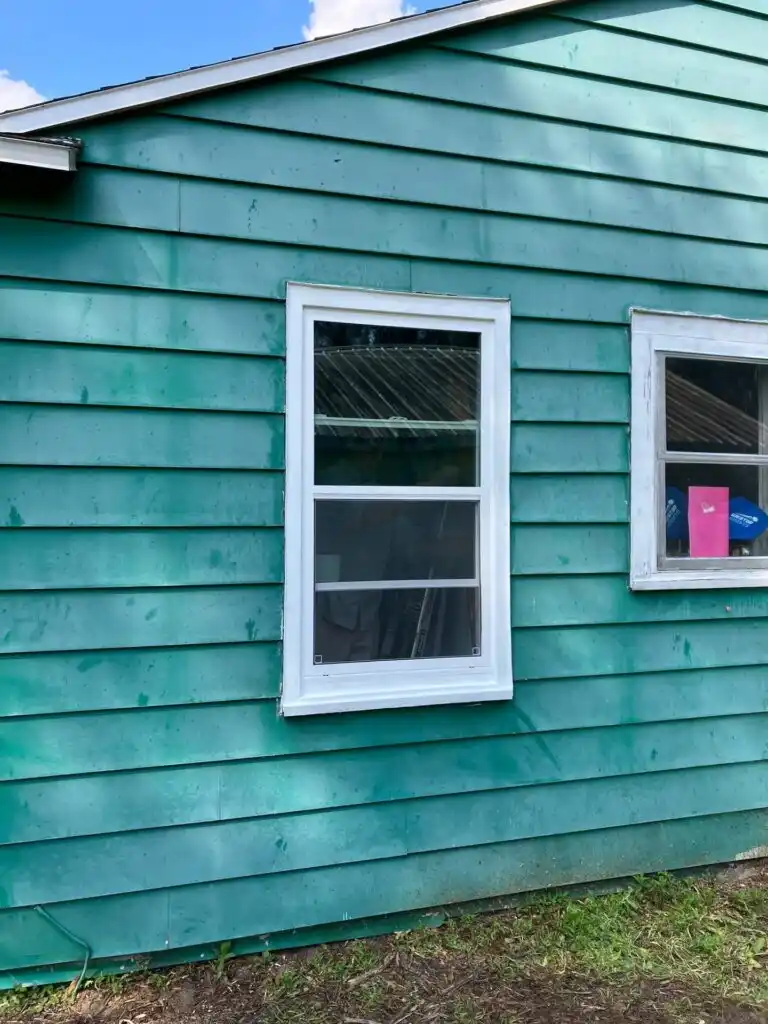
We’ve opened up siding in Ocala and Dunnellon homes where a quarter-sized gap had quietly let in three years of moisture. The fix was simple once caught — but waiting would have meant replacing an entire wall section.
The Most Common Exterior Problems We See
Quick Answer: The repairs we’re called for most often involve wood rot, warped vinyl siding, failing deck boards, and cracked masonry — nearly all tied back to moisture.
Our wood rot repair calls are the most frequent outdoor home repair request across Marion, Alachua, and Lake counties. Rot tends to start at ground contact points — deck posts, fence bottoms, and door thresholds — where water lingers longest.
Siding and Trim Issues
Vinyl siding that warps or buckles is almost always a heat or moisture issue, not a manufacturing defect. We cover the science behind this in our guide on why vinyl siding warps, but the short version: trapped heat behind dark-colored siding can soften the material enough to distort it permanently.
Decks, Fences, and Masonry
If your deck boards flex, feel spongy, or show dark staining, that’s a sign the wood has absorbed water it can’t release. Our deck repair and rebuilding team checks ledger boards and footings first, since those failures are the most dangerous. Fencing takes a similar beating from ground moisture and termite activity, especially on rural and agricultural properties around Dunnellon and Fort McCoy.
💡 Expert Insight: After 35 years in this trade, the number one predictor of a bigger problem isn’t the size of the crack — it’s how long it’s been ignored.
| Exterior Issue | Likely Cause | Recommended Action |
|---|---|---|
| Soft or spongy deck boards | Trapped moisture, wood rot | Inspect joists, replace affected boards |
| Warped or buckled vinyl siding | Heat/sun exposure, trapped moisture | Assess ventilation, replace panels |
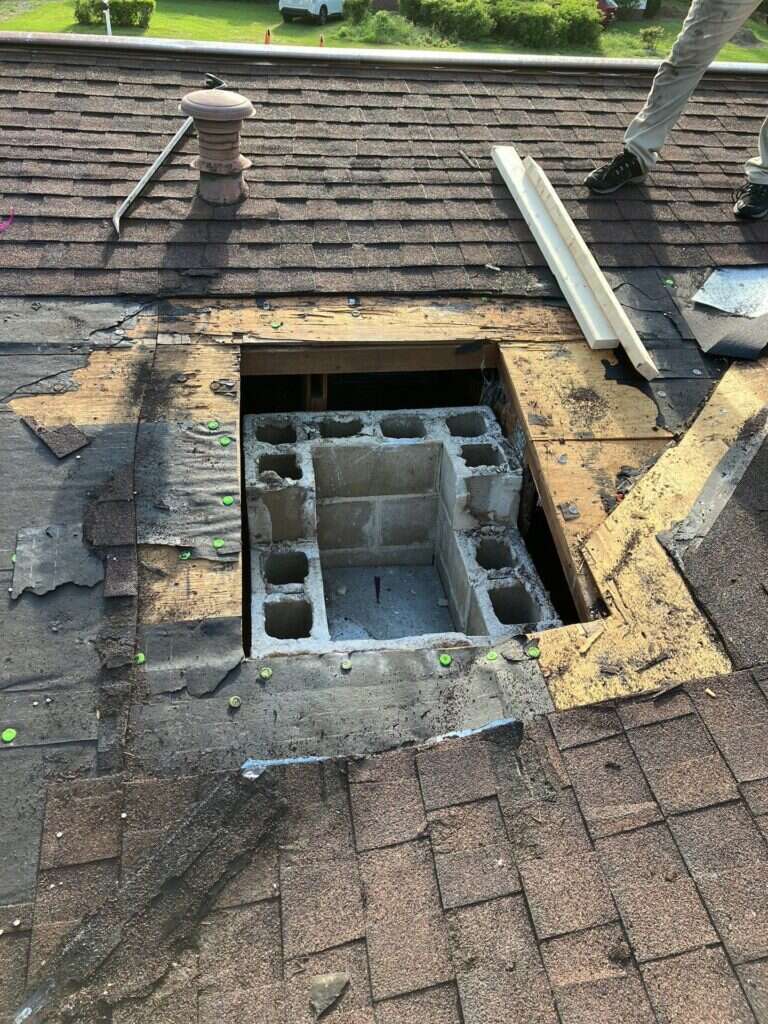
| Cracked stucco or block | Settling, moisture intrusion | Masonry repair and sealing |
| Musty smell near exterior walls | Hidden water intrusion | Full diagnostic inspection |
| Fence posts leaning or soft | Ground moisture, rot at base | Post replacement, grading check |
DIY vs. Hiring a Licensed Contractor
Quick Answer: Cosmetic touch-ups are fine to DIY, but anything involving structure, electrical, or load-bearing repair should go to a licensed residential contractor.
It’s tempting to handle exterior home repair yourself, especially for small jobs. Caulking, minor paint touch-ups, and cleaning gutters are reasonable weekend projects for a handy homeowner.
When the Job Needs a License
Structural deck repair, siding replacement over large areas, and anything touching permitted work requires a licensed residential contractor under Florida law. Always Home Repair operates under Residential Contractor License CRC1333200, which means our team is accountable for code compliance in ways an unlicensed handyman simply isn’t. You can verify any Florida contractor’s license through the Florida Department of Business and Professional Regulation.
| Factor | DIY | Licensed Contractor |
|---|---|---|
| Cosmetic fixes (caulk, paint touch-up) | Good fit | Not necessary |
| Structural deck or siding repair | Risky | Recommended |
| Permitted work | Not allowed | Required |
| Hidden rot or moisture diagnosis | Hard to assess | Trained to spot it |
| Warranty on workmanship | None | Backed by the company |
📊 Data Point: Marion County’s homeowner base skews older and highly owner-occupied — about 77.5% owner-occupied housing, with nearly 30% of residents aged 65 and older. That means a lot of long-term homes carrying decades of accumulated wear.
Why Licensing Matters to Carol’s Generation
For homeowners who’ve lived in their home for 20-plus years, the worry isn’t just the repair — it’s trusting the right person inside the gate. One licensed team, consistent communication, and honest pricing matter more than the lowest bid.
Seasonal Timing for Exterior Repairs
Quick Answer: Late winter and early spring are the best windows for exterior home repair in Central Florida, ahead of summer humidity and hurricane season.
Florida’s Atlantic hurricane season runs June through November, according to the National Hurricane Center. Scheduling siding, deck, and masonry repairs before storm season reduces the risk of wind or water damage finding a weak spot.
A Simple Seasonal Checklist
- January–March: Inspect siding, decks, and fencing for winter wear.
- April–May: Complete repairs before summer heat and humidity peak.
- June–November: Monitor for storm damage; address leaks immediately.
- December: Schedule off-season planning for larger projects like room additions.
✅ Quick Tip: Walk the perimeter of your home every spring with a flashlight and screwdriver. A screwdriver that sinks easily into wood trim means rot has already started.
What to Expect When You Call Us
Quick Answer: We start with a free estimate, give you an honest written scope, and don’t call the job done until you’re satisfied with the result.
Our process is simple by design, because homeowners juggling a repair list don’t need more complexity. You describe the problem, we inspect it in person, and you get a clear written estimate — no pressure, no guessing.
One Team for the Whole List
Many of our Ocala and Dunnellon clients start with a single exterior repair and end up using us for handyman services across their whole honey-do list. With over 120 years of combined team experience, we’re equipped to handle both the small fix and the larger remodel without bringing in a new crew each time.
💡 Expert Insight: The homeowners who are happiest with the outcome are usually the ones who called about one small issue first. Fixing it right tends to build the trust for everything else on the list.
We serve homeowners throughout Marion County and North Central Florida, including Ocala, Dunnellon, Belleview, Fort McCoy, Lady Lake, and Gainesville. If you’re not sure whether your address falls in our coverage, our service area page lists the full footprint.
Frequently Asked Questions
What does exterior home repair actually include?
Exterior home repair covers siding, decks, fencing, masonry, trim, doors, windows, and weatherproofing — essentially anything protecting your home’s structure from the outside. It’s broader than cosmetic maintenance and often includes diagnosing moisture or rot issues.
How do I know if I need home repair services or a full remodel?
If the issue is isolated — a section of siding, one deck board, a cracked block — it’s typically a repair, not a remodel. A licensed contractor can tell you during a free estimate whether the damage has spread further than it looks.
Is Always Home Repair licensed for structural exterior work?
Yes, Always Home Repair operates under Florida Residential Contractor License CRC1333200, which covers structural repair work including decks, siding, and masonry. This is different from an unlicensed handyman, who legally cannot perform certain structural repairs.
How often should Dunnellon homeowners inspect their siding and decks?
Once a year, ideally in early spring before Florida’s humid season, is a reasonable baseline for most homes. Older homes, or those near wooded or agricultural land in and around Dunnellon, may benefit from a check every six months.
What’s the difference between home repair near me searches and hiring a licensed contractor?
A quick search for home repair near me often returns a mix of licensed contractors and independent handymen, and the distinction matters for structural or permitted work. Checking license status through Florida’s licensing board is the simplest way to confirm who you’re hiring.
Can wood rot repair be done without replacing an entire wall or deck?
In many cases, yes — if caught early, rot repair can be limited to the affected boards or framing members. Waiting longer usually means a wider area has absorbed moisture, which increases the scope of the fix.
Do you offer emergency home repair services if a storm damages my siding or roof trim?
We respond to storm-related exterior damage as quickly as our schedule allows, prioritizing safety issues like exposed structure or active leaks. Call as soon as damage occurs so we can assess it before secondary water damage sets in.
Final Thoughts
Exterior home repair isn’t glamorous, but it’s one of the most important investments you’ll make in protecting a Florida home. Catching wood rot, siding damage, or masonry cracks early saves money and stress down the road. For homeowners in Ocala, Dunnellon, and across Marion County, having one licensed team you can trust removes the guesswork from the process.
- Walk your home’s exterior and note any soft spots, cracks, or discoloration.
- Check whether the repair is cosmetic or structural before deciding on DIY.
- Verify any contractor’s license before signing a scope of work.
- Schedule repairs before Florida’s summer humidity and storm season arrive.
- Call a licensed residential contractor for anything touching structure or permits.
Always Home Repair is a licensed Florida residential contractor (CRC1333200), family-owned, with over 120 years of combined team experience serving Ocala, Dunnellon, and North Central Florida. Doing what we said we would do — the quality you expect, the service you deserve. Schedule a free estimate today and get your exterior repair list handled by one honest, licensed team.