House repair issues rarely announce themselves politely — a soft spot in the deck, a hairline crack in the block wall, a drywall stain that keeps coming back. The direct answer: most house repair needs are manageable when caught early and handled by a licensed contractor, but ignoring them turns a small fix into a costly rebuild. Central Florida’s humidity, storms, and clay soil make homes here age differently than homes up north, and that changes what "routine maintenance" actually looks like.
We’ve spent years crawling under decks, opening up kitchen walls, and standing in Marion County Building Department lines with homeowners across this region. What we’ve learned is simple: the homeowners who ask for help early spend less, stress less, and keep their homes safer longer. This guide breaks down what counts as house repair, how to spot trouble, and how to choose a company you can actually trust.
📌 Key Takeaways
- Catching wood rot, siding warping, or drywall staining early can cut repair costs significantly.
- Florida’s humidity and storm exposure make routine home maintenance more urgent than in drier climates.
- Always verify a contractor’s license number before signing any agreement.
- Permits matter — unpermitted work can complicate a home sale or insurance claim later.
- A trustworthy house repair company explains the "why," not just the price.
Table of Contents
- What Actually Counts as House Repair?
- Warning Signs You Need Help Now
- How to Choose House Repair Companies Near Me
- Core Home Repair Services We Provide
- DIY vs. Professional House Repair
- Permits, Codes, and Why They Matter
- FAQ
What Actually Counts as House Repair?
Quick Answer: House repair covers any fix that restores a home’s structure, safety, or function — from a rotting deck board to a cracked masonry wall. It’s different from remodeling, which changes the look or layout rather than fixing damage.
Homeowners often lump repair and remodeling together, but they solve different problems. Repair addresses something broken, damaged, or deteriorating. Remodeling upgrades something that already works but no longer fits your needs or style.
Structural vs. Cosmetic Repairs
Structural repairs affect load-bearing elements — framing, masonry, roof decking, or foundation work. Cosmetic repairs, like patching drywall or repainting trim, restore appearance without touching the home’s bones. Both matter, but structural issues carry higher risk if left alone.
💡 Expert Insight: A stain on your ceiling is almost never the real problem — it’s a signal. The moisture source behind it is what actually needs repair, and papering over the stain just delays the conversation.
Warning Signs You Need Help Now
Quick Answer: Soft or spongy flooring, warped siding, sticking doors, and recurring water stains are the clearest signs your home needs professional attention before the damage spreads.
Florida’s climate accelerates certain problems. Wood rot moves faster in humid, rainy conditions, and it rarely stays isolated to one board. If you’ve noticed deck boards that feel soft underfoot, that’s usually an early-stage repair, not a full replacement — yet.
Siding, Doors, and Drywall Clues
Vinyl siding that bubbles or warps often points to heat trapped behind the panels, sometimes from a dryer vent aimed the wrong way. Doors that suddenly stick can mean the frame has shifted from moisture or settling. Recurring drywall stains, especially near kitchens or bathrooms, usually trace back to a slow leak rather than a one-time spill.
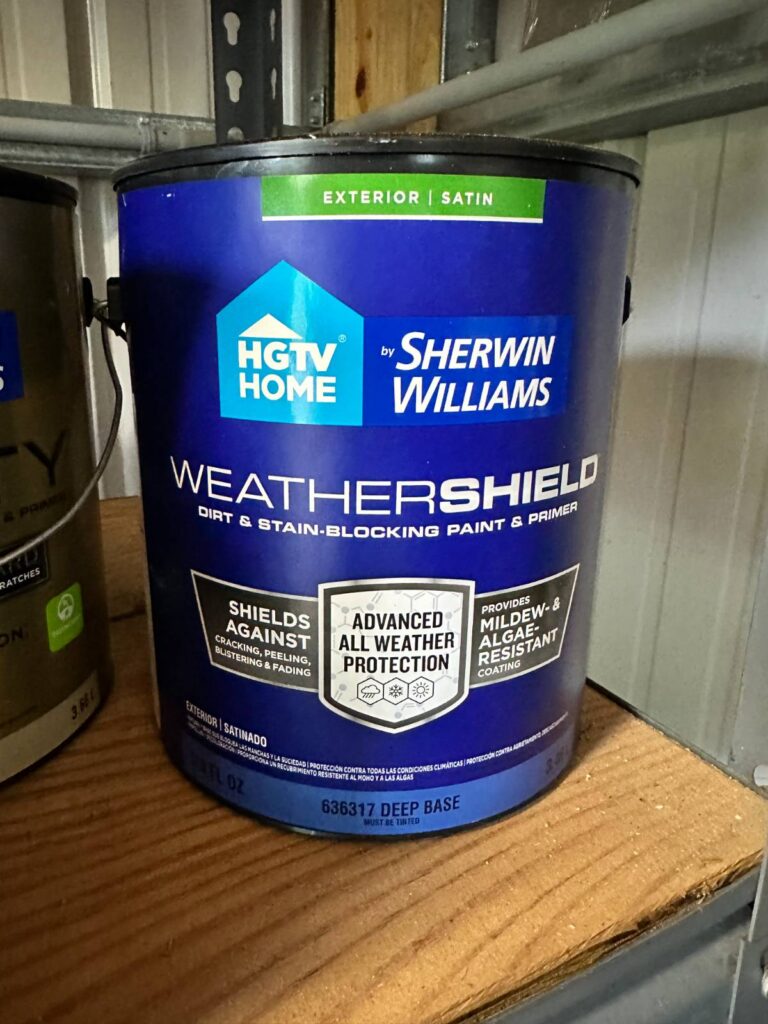
⚠️ Common Mistake: Painting over a water stain without finding the source. It looks fixed for a few weeks, then the stain bleeds through again — and now there’s fresh damage under fresh paint.
According to the Environmental Protection Agency, unresolved moisture problems can lead to mold growth within 24 to 48 hours, which is why fast diagnosis matters more than a quick cosmetic patch.
How to Choose House Repair Companies Near Me
Quick Answer: Look for a licensed, locally established contractor who explains the cause of the problem, not just the cost of the fix, and who pulls permits when the job requires them.
Searching for house repair companies near me usually returns a long list, but not every listing means a licensed, insured crew. Florida requires residential contractors to hold an active state license, verifiable through the Florida Department of Business and Professional Regulation.
Questions Worth Asking Before You Hire
- Ask for the contractor’s license number and confirm it’s active and in good standing.
- Ask whether the scope of work requires a permit in your county.
- Ask how they handle unexpected damage found once work begins.
- Ask for examples of similar jobs completed in your area.
Our team operates under Residential Contractor License #CRC1333200 and Category V Gas License #LI45277, and we’re always glad to walk homeowners through what that license actually covers.
✅ Quick Tip: A contractor who’s reluctant to share their license number is a red flag worth walking away from, no matter how good the estimate looks.
Core Home Repair Services We Provide
Quick Answer: Our crews handle structural repairs, wood rot, masonry, drywall, decks, fencing, and kitchen or bathroom restoration across our Central Florida service area — always with proper permitting where required.
We work in communities from Ocala and Gainesville to Brooksville, Deland, Clermont, and Belleview, and the repair needs shift slightly by neighborhood and home age. Older homes near Gainesville often need masonry attention, while newer construction in Clermont or Deltona tends to show up with drywall or drainage issues instead.
Popular Repair Categories
We most often get called for masonry repair work on block homes, deck repair and rebuilding after storm exposure, and drywall trim touch-ups after a plumbing fix. Kitchen and bathroom remodels sometimes start as a repair call once we open a wall and find water damage behind the tile.
| Repair Type | Typical Cause | Urgency Level |
|---|---|---|
| Deck board softening | Moisture, wood rot | Moderate — address within weeks |
| Vinyl siding warping | Heat or trapped moisture | Moderate |
| Masonry cracking | Settling, storm stress | High if wall bows or widens |
| Drywall staining | Hidden leak | High — mold risk |
| Fence post rot | Ground moisture contact | Low to moderate |
📊 Data Point: According to the Federal Emergency Management Agency, homes in hurricane-prone regions face compounding damage when minor structural issues go unrepaired before storm season.
DIY vs. Professional House Repair
Quick Answer: Small cosmetic fixes are reasonable DIY projects, but anything touching structure, gas lines, or permitted work belongs with a licensed contractor.
I’ve seen well-intentioned DIY repairs turn a $400 fix into a $4,000 one, usually because the homeowner didn’t realize the damage extended past what they could see. That’s not a knock on DIY skill — it’s just how hidden damage works.
A Simple Way to Decide
If the repair involves paint, caulk, or a single visible board, DIY is often fine. If it involves gas lines, structural framing, roofing, or anything requiring a permit, bring in a licensed pro. The Occupational Safety and Health Administration also notes that many home repair injuries stem from underestimating structural or electrical risk during "simple" fixes.
💡 Expert Insight: We’d rather give you an honest "you can handle this yourself" than talk you into a service call you don’t need. That honesty is part of what keeps homeowners calling us back for the bigger stuff.
Permits, Codes, and Why They Matter
Quick Answer: Permitted work protects your home’s value, your insurance claims, and your family’s safety — skipping it to save time almost always costs more later.
Marion County and surrounding jurisdictions require permits for most structural, electrical, and plumbing work. Our Marion County building permit guide breaks down which projects need sign-off before work starts.
What Happens Without a Permit
Unpermitted work can surface during a home sale inspection, sometimes forcing a homeowner to redo the job just to close escrow. Insurance companies can also deny storm damage claims tied to unpermitted repairs. According to the National Association of Home Builders, permitted, code-compliant repairs consistently hold value better at resale than undocumented work.
⚠️ Common Mistake: Assuming a "small" repair doesn’t need a permit. County requirements often hinge on scope and cost, not how the job looks from the curb.
FAQ
How much does house repair typically involve before I need a permit?
Most cosmetic fixes like painting or caulking don’t need a permit, but structural, electrical, plumbing, or gas work usually does. A licensed contractor can tell you quickly which category your project falls into.
How do I find trustworthy house repair companies near me?
Start by confirming an active Florida contractor license through the state licensing board, then ask for local examples of completed work. A company that’s upfront about permits and timelines is usually the safer choice.
What’s the difference between house repair and a full remodel?
Repair restores something broken or damaged back to working condition, while remodeling changes the layout, materials, or style of a space that already functions. Sometimes a repair call reveals damage extensive enough that remodeling makes more sense.
Can wood rot repair really be done in sections, or do I need a full deck replacement?
Section repair works well if rot is isolated to a few boards and the frame underneath is sound. If multiple support beams are affected, full replacement is usually the safer long-term choice.
Why does my vinyl siding keep warping after repair?
Warping often returns if the underlying heat or moisture source, like a misdirected dryer vent, isn’t corrected during the repair. Fixing the siding without addressing the cause usually means repeating the repair within a year or two.
Is water damage in my kitchen something I can repair myself?
Minor surface staining can sometimes be handled DIY, but anything involving swollen cabinetry, subfloor softening, or recurring leaks needs a professional assessment. Hidden water damage often extends further than what’s visible on the surface.
Do house repair companies handle both the repair and the permit paperwork?
A reputable company should manage both, pulling the required permit and scheduling inspections as part of the job. If a contractor avoids the permit conversation entirely, that’s worth questioning before you sign anything.
House repair doesn’t have to feel overwhelming once you know what to watch for and who to call. Early attention to soft decking, warped siding, or recurring stains almost always costs less than waiting. Central Florida’s climate makes routine home maintenance more than a nice-to-have — it’s part of protecting your investment.
Here’s how to move forward:
- Walk your home’s exterior and note any soft spots, cracks, or staining.
- Verify any contractor’s license number before scheduling work.
- Ask whether your project requires a Marion County or local permit.
- Book a free onsite estimate to get an honest, documented assessment.
We operate under Residential Contractor License #CRC1333200 and Category V Gas License #LI45277, serving homeowners throughout our Central Florida service area. Reach out today to schedule your free house repair estimate and get a straight answer about what your home actually needs.